Why Your Lunch Is Always Cold by the Time You Eat It
Kitchen Essentials
As an Amazon Associate I earn from qualifying purchases.
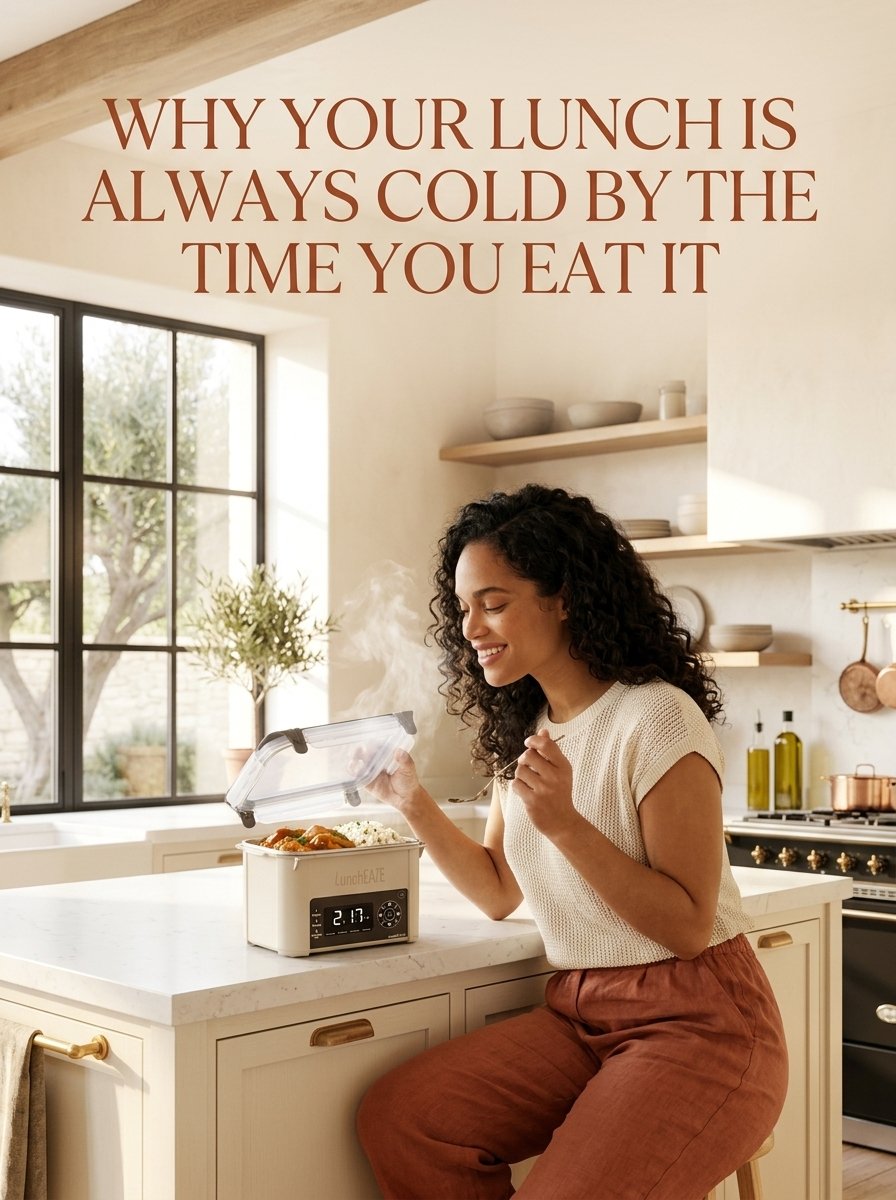
You pack something genuinely hot in the morning — leftovers, soup, a real meal — and by the time lunch actually rolls around, it’s gone lukewarm at best. So you either eat it disappointing and cool, or find a microwave and hope it’s free.
An insulated bag was never going to fully solve this. Insulation only slows heat loss, it can’t stop it, and a few hours is more than enough time for the difference to show.
Why Insulation Isn’t Enough
A thermos or insulated bag works by slowing the rate heat escapes, not preventing it entirely — there’s still a temperature gradient between your hot food and the cooler air around it, and heat always moves from hot to cool given enough time. Three or four hours between packing and eating is plenty of time for that gradient to close most of the gap.
It’s the same reason a cooler keeps ice cold for hours, not indefinitely — insulation buys time, it doesn’t stop the clock.
The Fix
- Use an actively heated lunch box instead of relying on passive insulation alone.
- Set it to heat on a schedule so the food is hot right when you’re ready to eat, not hours early.
- Use the container that comes with it rather than a separate dish, so the heating element actually contacts the food properly.
- Charge it the night before if it’s battery-powered, so it’s ready to go without a cord at your desk.
An actively heated box sidesteps the whole problem — it’s not slowing heat loss, it’s actively replacing the heat that’s lost, right up until you’re ready to eat.
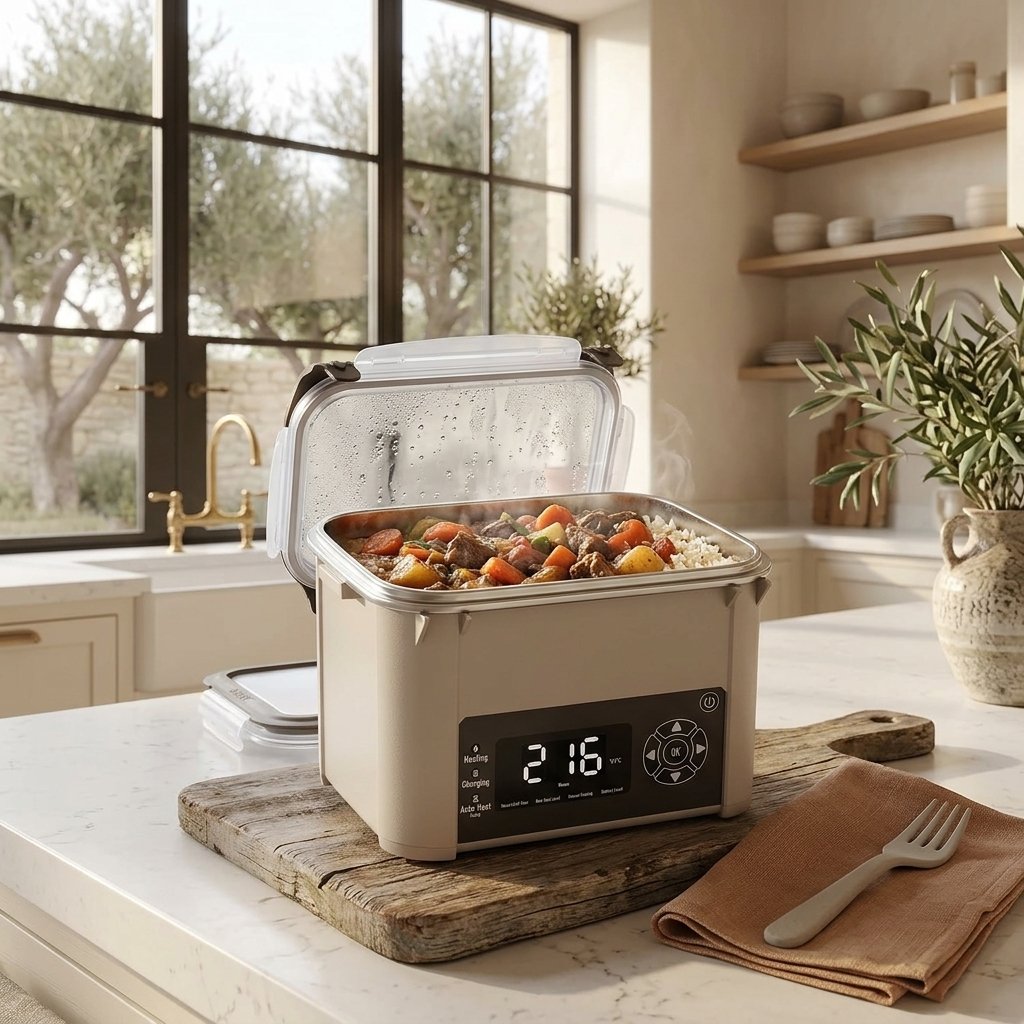
LunchEAZE Core Gen 2 Heated Lunch Box
A cordless, battery-powered lunch box that actively heats on a schedule, so lunch is hot exactly when you’re ready to eat it, not just warm-ish.
The Bottom Line
A cold lunch isn’t a packing mistake. It’s just physics catching up to an insulated bag over a few hours. Active heating solves what insulation only ever slowed down.